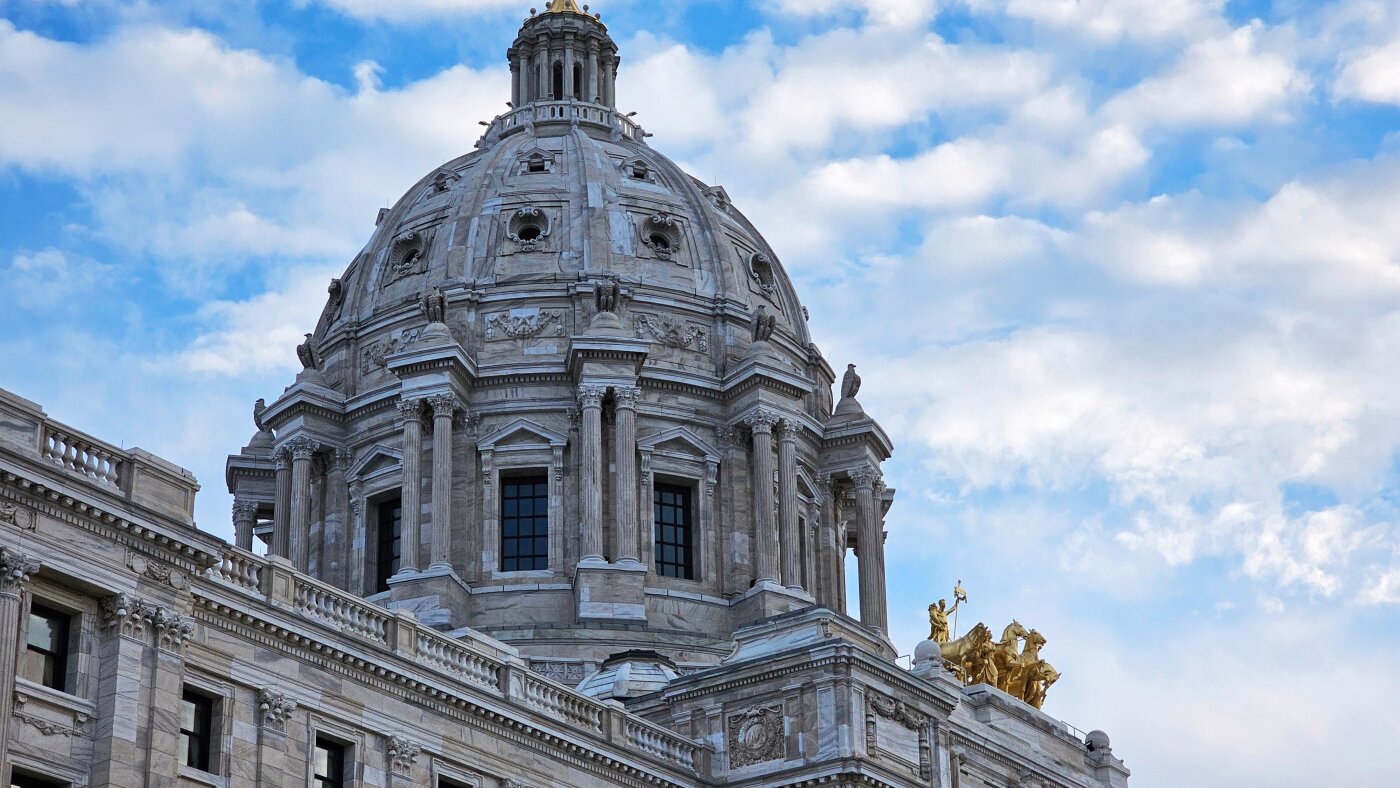
We offer structured analysis of stock movements driven by earnings reports, macroeconomic data, and institutional trading patterns. Minnesota has enacted the nation's first state law making it a felony for prediction market platforms such as Kalshi and Polymarket to operate within its borders. The move escalates a broader legal push by dozens of states against the rapidly growing industry, which allows users to trade contracts on event outcomes. The new legislation signals a potentially tougher regulatory environment for these platforms at the state level.
Live News
Minnesota Becomes First State to Criminalize Prediction Markets as Regulatory Crackdown IntensifiesObserving market correlations can reveal underlying structural changes. For example, shifts in energy prices might signal broader economic developments. - First Felony Classification: Minnesota is the first state to make operating a prediction market a felony, marking a new frontier in state-level enforcement against the industry.
- Broader State Actions: Dozens of other states have taken legal steps—including cease-and-desist orders and lawsuits—but none had previously enacted criminal penalties.
- Industry Leaders Affected: The law directly impacts major platforms Kalshi and Polymarket, which allow trading on political and sports event outcomes.
- Possible Precedent: Other jurisdictions may follow Minnesota’s lead, potentially creating a patchwork of state laws that complicates compliance for prediction market operators.
- Federal Regulatory Context: The CFTC has separately pursued civil enforcement against unregistered event contracts, but state criminal laws add a new layer of risk for platforms and their executives.
Minnesota Becomes First State to Criminalize Prediction Markets as Regulatory Crackdown IntensifiesReal-time data is especially valuable during periods of heightened volatility. Rapid access to updates enables traders to respond to sudden price movements and avoid being caught off guard. Timely information can make the difference between capturing a profitable opportunity and missing it entirely.Cross-market correlations often reveal early warning signals. Professionals observe relationships between equities, derivatives, and commodities to anticipate potential shocks and make informed preemptive adjustments.Minnesota Becomes First State to Criminalize Prediction Markets as Regulatory Crackdown IntensifiesScenario-based stress testing is essential for identifying vulnerabilities. Experts evaluate potential losses under extreme conditions, ensuring that risk controls are robust and portfolios remain resilient under adverse scenarios.
Key Highlights
Minnesota Becomes First State to Criminalize Prediction Markets as Regulatory Crackdown IntensifiesMarket behavior is often influenced by both short-term noise and long-term fundamentals. Differentiating between temporary volatility and meaningful trends is essential for maintaining a disciplined trading approach. Minnesota has become the first U.S. state to pass a law specifically classifying the operation of unlicensed prediction markets as a felony, according to a report from NPR. The law targets companies like Kalshi and Polymarket, which offer contracts on political elections, sports, and other events, and could carry criminal penalties for firms that do not comply.
While many states have previously taken legal action—such as cease-and-desist letters or civil suits—against prediction market operators, Minnesota’s statute represents a significant escalation by introducing felony-level charges. The legislation was passed as part of a broader regulatory push, though specific details on enforcement mechanisms or penalties were not immediately detailed in the source.
The prediction market industry has faced increasing scrutiny in the United States. The Commodity Futures Trading Commission (CFTC) has argued that some event contracts resemble gambling and has sought to block certain offerings, while state regulators have expressed concerns about consumer protection and the potential for market manipulation. Minnesota’s new law could provide a template for other states considering similar criminal measures.
Neither Kalshi nor Polymarket has publicly commented on the Minnesota law at the time of the report. The platforms generally operate by registering as designated contract markets with federal regulators, but state-level prohibitions may complicate their ability to serve customers nationwide.
Minnesota Becomes First State to Criminalize Prediction Markets as Regulatory Crackdown IntensifiesHistorical price patterns can provide valuable insights, but they should always be considered alongside current market dynamics. Indicators such as moving averages, momentum oscillators, and volume trends can validate trends, but their predictive power improves significantly when combined with macroeconomic context and real-time market intelligence.Many traders use alerts to monitor key levels without constantly watching the screen. This allows them to maintain awareness while managing their time more efficiently.Minnesota Becomes First State to Criminalize Prediction Markets as Regulatory Crackdown IntensifiesScenario planning prepares investors for unexpected volatility. Multiple potential outcomes allow for preemptive adjustments.
Expert Insights
Minnesota Becomes First State to Criminalize Prediction Markets as Regulatory Crackdown IntensifiesExperts often combine real-time analytics with historical benchmarks. Comparing current price behavior to historical norms, adjusted for economic context, allows for a more nuanced interpretation of market conditions and enhances decision-making accuracy. Legal and regulatory observers note that Minnesota’s felony statute could significantly alter the risk calculus for prediction market platforms. While the CFTC has historically been the primary federal regulator overseeing these markets, state criminal laws introduce the possibility of prosecution that federal civil actions might not carry. Industry analysts suggest that the law may lead some platforms to restrict access for Minnesota residents or to challenge the statute in court on constitutional grounds, such as preemption by federal commodities law.
The move also raises questions about the broader classification of prediction markets. Some experts argue that event contracts serve a legitimate financial purpose by aggregating information, while others contend they function as unlicensed gambling. The lack of a federal framework has left a regulatory vacuum that states are now filling in different ways. As other states watch Minnesota’s experiment, the industry may face a period of increased legal uncertainty.
From an investment perspective, companies operating in the prediction market space may need to reassess their legal risks and geographic availability. The potential for criminal liability could deter venture capital funding and push platforms toward jurisdictions with clearer or more favorable rules. However, the outcome of any legal challenges or federal regulatory clarity could shift the landscape quickly. Investors and market participants should monitor both state-level legislative trends and CFTC rulemaking for further developments.
Disclaimer: This analysis is for informational purposes only and does not constitute investment advice.
Minnesota Becomes First State to Criminalize Prediction Markets as Regulatory Crackdown IntensifiesCross-market analysis can reveal opportunities that might otherwise be overlooked. Observing relationships between assets can provide valuable signals.Correlating global indices helps investors anticipate contagion effects. Movements in major markets, such as US equities or Asian indices, can have a domino effect, influencing local markets and creating early signals for international investment strategies.Minnesota Becomes First State to Criminalize Prediction Markets as Regulatory Crackdown IntensifiesData-driven decision-making does not replace judgment. Experienced traders interpret numbers in context to reduce errors.